
The Rise and Temporary Fall, of Black American Fashions' Influence
- aloqwin
- May 3
- 6 min read
Black American fashion is a love/hate tale of creativity, resilience, which formed a powerful unity amongst us! It all began as a completely homegrown culture, bursting as free-spirits through caged hearts, feeding the creation of original music, and the vibrant vibes shared by communities across the United States. Over the years, this dynamic style has transcended its origins, leaving an indelible mark on youthful fashion scenes worldwide. You might not always notice it, but the vibrant threads of Black American Culture—music, language, art, and fashion—are woven into everything from high-end runways to unforgettable nights out, into the everyday streetwear we love!
Join me on this journey from the rise of a unique iconic style to the challenges of its decline, and its enduring influence on global culture.

Classic Black American streetwear jacket from the 90s
The Evolution of Black American Fashion: From Political Identity to Rebellious Souls, [1970s to Today]...
As the Black Power Movement gained momentum, the "BLACK IS BEAUTIFUL" slogan became a strategic accompaniment, making fashion a symbol of both pride and protest.
The Look: Natural hairstyles like Afros and Braids, together with Dashikis, prominently display African heritage and identity. The emergence of disco offered Black Americans a stage to gain recognition beyond their community. We had our own TV shows, films, and talents that fascinated other cultures who got the chance to experience them.
Economic Influence: Between 1970 and 1980, despite high unemployment rates, the Black American middle class experienced substantial growth. This expansion significantly contributed to the increasing disparity between poverty and economic comfort within it's own community's.
"Back in the days when I was young I'm not a kid anymore, but some days I sit and wish I was a kid again"
AHMAD "Back In The Day"
Black American fashion was mostly about self-expression and identity with-in your circle; and all of those circles competed in everything. We as a community created the trends missed by big fashion houses with their own products. After being confined for so long, it forced something fresh, bold, influential, and meaningful to become the result, "Lead into Gold" .
Around the middle 80s, when hip-hop culture started booming in places beyond New York and Philly, the style was loud, proud, and unapologetically the birth of streetwear. Just as it influenced the world, it first began with-in our own eco-system amongst ourselves. That young culture growing was not on anything mainstream yet, but underground it was everywhere.
STILL ONLY IN URBAN CITY COMMUNITIES.
From where I'm standing, Baby Boomers—like our parents, aunts, and uncles—were all about the corporate and working world. They’re not really part of the fashion scene I’m talking about today. This was the era of Michael Jackson, but it was also a time when tons of artists were getting more exposure. Meanwhile, in the background, Black American youth, part of Generation X, were teens starting to leave our mark. In the late '80s, our culture was still buzzing with creativity, but we had to work with the clothes we had and make them stylish.
By the 90's the uniform was universal, baggy jeans, oversized tees, NIKE sneakers (depending on which state you lived), and accessories like gold chains, teeth, pagers and bucket hats. These weren’t just clothes; they were status/identity statements. They told stories of struggle & success. Brands like KARL KANI, showed the world that Black designers could build their own empires.
Remember I wrote earlier about "THE MAN" seeing $$$ dollar signs in black american culture? Here is the time when it became a complete hostile takeover,
INDUSTRY -vs- our CULTURE.
Eckō Unltd, South Pole, Pelle Pelle, and numerous others were brands that gained popularity for blk (black) styling, which resonated with "the culture." However, the financial benefits and corporate control of these brands were not retained within the Black American community.
This homegrown culture was deeply tied to music, especially hip-hop and R&B. Artists like Run-DMC, Mary J Blige, Tupac, and even Bad Boy Records didn’t just make hits—they set the fashion trends. Their style was copied by fans everywhere, turning streetwear into a global phenomenon.
The Fall: What Happened to Black American Fashion?
So, if Black American fashion was so powerful, why did it seem to lose a lot of its shine? Well, a few things happened.
First, as streetwear got popular, big corporations jumped in. They saw dollar signs and started mass-producing styles inspired by Black culture but without giving credit or support to the original creators. This led to a lot of cultural appropriation, where the style was taken out of context and stripped of its meaning.
Second, the fashion industry itself often ignored Black designers and models. Even when Black culture was influencing trends, the people behind it didn’t always get the spotlight or the profits. This made it harder for authentic Black fashion brands to grow and compete.
Lastly, the rise of fast fashion meant that unique, quality pieces were replaced by cheap knockoffs. The original vibe of Black American fashion—its creativity and quality—got lost in the shuffle.

Sneaker collection inspired by 90s hip-hop culture
How Black American Fashion Shapes Global Style Today
Even with these challenges, Black American fashion never really disappeared. Instead, it evolved and spread worldwide. Today, you see its influence everywhere—from Tokyo to Paris, London to Johannesburg.
Streetwear brands like ALOQWIN (women streetwear) & RAQUI (men streetwear) are picking the dropped mic in the middle 90's, blending thee original 90s-inspired urban style narrative with modern comfort,durabilty, and quality. ALOQWIN’s collections show how you can stand out with unique designs that honor the roots of Black American fashion while pushing it forward. Their pieces are perfect if you want to rock that authentic vibe without losing your own style.
Sneakers, hoodies, graphic tees, and designer caps remain staples in global streetwear, all thanks to the original Black American fashion movements. Even high fashion designers borrow from this culture, mixing streetwear with luxury in ways that keep the style alive and relevant.
Products That Reflect the Spirit of Black American Fashion
If you want to tap into this vibe, here are a couple of standout products that capture the essence of Black American streetwear:
Streetwear Hoodie by ALOQWIN
This hoodie blends comfort with bold, original designs inspired by 90s urban culture. It’s perfect for anyone who wants to wear a piece of fashion history while staying fresh and comfortable. Check it out here.
Graphic Tees with Bold Prints
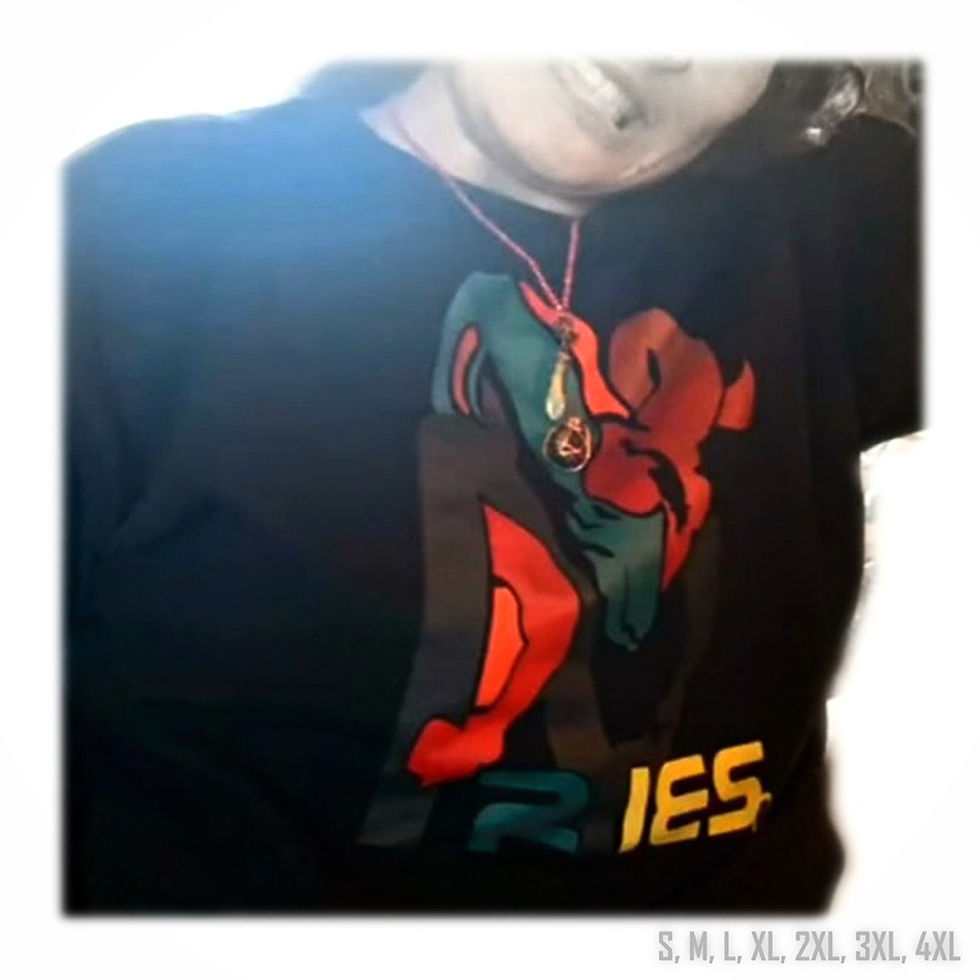
Graphic tees have always been a canvas for expression in Black American fashion. ALOQWIN’s tees feature unique prints that tell stories and make a statement. They’re a great way to add some edge to your everyday look. See the collection here.
These pieces aren’t just clothes—they’re a respect, a nod to a culture that changed the game and continues to inspire millions in silence.

Luxury Styled Streetwear outfit with dress shoes, and RAQUI graphic tee
Reasons to Consider the Origins of Fashion
Understanding the origins of a style is crucial. Delving into the roots of Black American fashion allows you to truly appreciate the rich culture behind the clothing. Black Americans, when drawing inspiration from other cultures, pay homage and respect to those cultures, as exemplified by the Wu-Tang Clan. This respect should be mutual. It's not merely about aesthetics—it's about honoring a legacy of creativity and resilience, including the contributions of today's Black American youth. Unfortunately, they often encounter diluted, corporatized versions of styles, stripped of their authentic evolution.
When building my website for ALOQWIN Clothing, the Ai I was using shared with me something inspiring to me. It wrote, your brand is not like others in my lane. It continue to write and spoke that ALOQWIN's Story is drenched in authenticity. YOU are wearing grown folk evolved luxury streetwear inspired by this culture from a designer who grew up a part of its start. You’re connecting with a story that’s bigger than just fashion. It’s about community, identity, pride, and overall freedom of expression from all genders, cultures, individual. I do not believe in or am I asking for support for my brand or others similar. It is more sharing openly to appeal to your voice felt but not heard. Celebrate all people's heritages! That helps keep the original cultures alive, thriving, and ability to swim to their oceans without PISS in the water.
Black American fashion was strained to get started, as a pure release of an enslaved spirit, ripped from familiar soils. It rose from the dirt fields and dirty streets, shaped global style, faces challenges consistently, and will again continue to evolve. Whether you’re rocking a zip-up hoodie from ALOQWIN or just appreciating original street style, you’re part of adding to the fashion legacy that’s as bold and original as the SUN who created it.
So next time you pick out your streetwear, think about the story behind it. That’s where the real style lives.
Ready to stand out with original streetwear that honors this rich culture? Check out ALOQWIN’s collection and find your unique look today.
Much Respects!
Nippawas Moon Owner/Designer
RUDE EYE LAND COLLECTIVE 1973


Comments